English
The Yulan Continent is a magical world teeming with wondrous creatures and enchanting magic. One day, Linley Baruch, a young nobleman from the impoverished city of Wushan, entered his dusty ancestral home and accidentally discovered an ordinary-looking ring—the Dragon Ring—which changed his life forever. With the help of the Ringwraith Delin Corvort, Linley embarked on his legendary journey, and a great wizard was born. The boy from the small town, through relentless struggle and an indomitable spirit, continued to strive for higher realms, step by step reaching the pinnacle of power through trials fraught with life and death.
Indonesia
Benua Yulan adalah dunia magis yang dipenuhi makhluk-makhluk menakjubkan dan sihir yang mempesona. Suatu hari, Linley Baruch, seorang bangsawan muda dari Kota Wushan yang miskin, memasuki rumah leluhurnya yang berdebu dan tanpa sengaja mendapatkan sebuah cincin yang tampak biasa—Cincin Naga—sehingga mengubah hidupnya selamanya. Dengan bantuan Ringwraith Delin Corvort, Linley memulai perjalanan legendarisnya, dan seorang penyihir hebat pun lahir. Bocah dari kota kecil itu, melalui perjuangan tanpa henti dan semangat pantang menyerah, terus berupaya mencapai alam yang lebih tinggi, selangkah demi selangkah mencapai puncak kekuasaan melalui cobaan yang penuh dengan hidup dan mati.







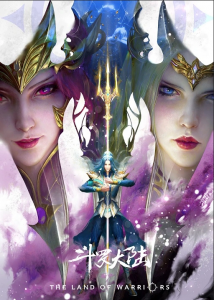

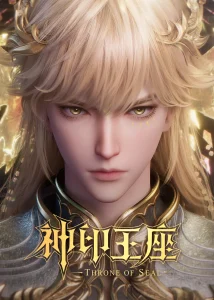
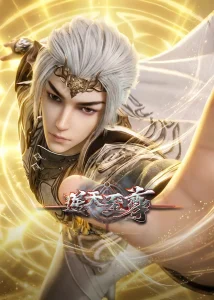


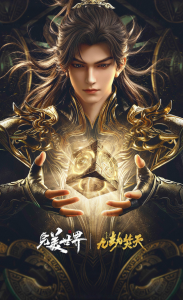

though it’s very WESTERN in setting, culture still remains very CHINESE…want to appeal to western viewers but…nah
I think you’re conflating the visual setting with the culture of the story. Coiling Dragon isn’t trying to recreate medieval Europe; it’s a Chinese xuanhuan/fantasy story that uses Western-style fantasy aesthetics—knights, castles, nobles, churches, mages, etc. The setting is the fictional Yulan Continent, not Europe.
The clan/family system, inherited bloodline, ancestral legacy, cultivation/progression structure, and especially Linley’s relationship with his father’s expectations are all part of the story’s Chinese web-fantasy DNA. The original novel is literally a Chinese xuanhuan work by I Eat Tomatoes.
Using Western fantasy aesthetics doesn’t mean it’s “trying to appeal to Western viewers.” Chinese authors can use Western fantasy elements just like Western authors use Asian mythology and aesthetics. Cultural influence isn’t the same thing as cultural ownership.
“Want to appeal to Western viewers but… nah” 💀
Bro saw a castle and immediately discovered cultural globalization.
Alien movies have aliens speaking English. Space operas have aliens drinking in human-looking bars. Fantasy characters ride horses despite horses being from Earth. Apparently all of them are desperately trying to appeal to the demographic that invented the horse.
It’s a fictional fantasy setting using Western aesthetics. The story being Chinese doesn’t require everyone to suddenly build a pagoda and start speaking classical Chinese. 😭
Coiling Dragon isn’t “Western because it has castles.” That’s like calling a Chinese xuanhuan novel Western because someone owns a sword.
lemme tell you something lil fella,
Coiling Dragon has been around since 2008 as a Chinese web novel, long before this current donghua adaptation. So the “they’re changing it to appeal to Western viewers” interpretation is particularly shaky if u’re talking about the fundamental setting and story rather than specific adaptation decisions.
Shut up dude